Showing posts with label number talks. Show all posts

Monday, 31 August 2020

Number Talks: I can show a number in lots of ways.

Number Talks: I can show a number in lots of ways.

In Autahi, Thursday is Number Talk day when we get to start the day with some really rich thinking and talking about a mathematical problem or idea.

In Autahi, our Number Talks often begin with a question or a picture, but older children in the school might also look at a diagram, equation or graph. This starting point will be spark for collaborative problem solving.

This week, we began with a number and a lot of different maths and other equipment. How many ways could we show a number using the things we had to hand in class? Sharing our ideas helped us to find many solutions to this problem.

By participating in Number Talks, children learn to articulate their mathematical thinking, sometimes clarifying it along the way. They get to hear other children's ideas, building on them to extend their own thinking. They also develop the vital understanding that there are many ways to approach a problem.

In planning our Number Talks, teachers think about what the 'big mathematical idea' is that they would like their students to encounter. But during the Number Talk, it is the teacher's role to step back and be a facilitator and recorder, rather than to lead the discussion. 

In Autahi, we are developing the skills of listening to other people's ideas and wonderings, taking time to think (and allowing others that time), knowing when to share, appreciating people's contributions and responding to them. This time, after sharing some initial ideas, everyone had the chance to experiment with the equipment to make their own number. Sharing our ideas gave us lots of inspiration.


This was a problem with many solutions. How many different ways to show our numbers can you see? Can you think of any ways we didn't try?


Sunday, 21 July 2019

Number Talks Workshop


During the holiday break we ran a workshop on Number Talks. This was attended by 30 teachers and principals from 10 schools as well as Maths advisors from the Wellington region. We wanted to share what we have been doing at Worser Bay because it has a big impact on student engagement and achievement. 

What does developing a Mathematical Community of Inquiry mean to us? 
  • Mathematics is a creative and challenging real world activity.
  • Positive beliefs about mathematical ability are essential.
  • Maths has to be visual and collaborative; with time and strategies to investigate, discuss, explore concepts and reflect.

At Worser Bay School, we have been inspired by the work of Jo Boaler who is a professor at Stanford University. She provides resources and ideas to help students get excited about Maths. 

"You have probably heard people say they are just bad at math, or perhaps you yourself feel like you are not “a math person.” Not so, says Stanford mathematics education professor Jo Boaler, who shares the brain research showing that with the right teaching and messages, we can all be good at math. Not only that, our brains operate differently when we believe in ourselves. Boaler gives hope to the the mathematically fearful or challenged, shows a pathway to success, and brings into question the very basics of how our teachers approach what should be a rewarding experience for all children and adults."

For a Number Talk to be successful, students need to be respectful in discussion. We have co-constructed (with our students) the rights and responsibilities for discussion in a Number Talk. 

This is how a Number Talk works...


We asked the students about Number Talks...


Tuesday, 13 March 2018

Maths and some of the ways we've been exploring Maths

We have been working on developing our number sense.  This is our understanding of numbers, how they're made up, and how they're represented.

One of the ways we've been doing that is searching the room.  We search the room for cards that have numbers written in different ways: finger patterns, tens frames, dice patterns, etc. Once we find them we mark them on our sheet and take note of what number that card shows. 


Another way we have been working on our number sense is by playing matching games where we work on matching numerals, tens frames and finger patterns.


We've been working with partners building with counting cubes and figuring out different partners to 10.


We've been doing Number Talks where we talk about all the different ways we can see a number. This allows us to articulate how we see and know what we do and to see that there are many different ways to see something and therefor many different answers.  This moves the focus away from getting the right answer to being able to articulate your thinking. Here is an example of a number talk using dots.


Tuesday, 12 September 2017

Numbers!

In maths we have been working on a few different things.  In this workshop we were working on estimating and checking by grabbing a handful of matchsticks and guessing how many we thought we had.  Then we counted to check.  We were really trying to get a feel for a number.  Does this feel like a big number or a little number?  Then once we checked and we did it again we could compare and ask ourselves, "does this pile feel bigger or smaller than the last one?" The whole idea was hard because so many of us just wanted to get the "right" answer, but really we were trying to practise feeling the numbers.  This is where growth mindset in maths is so important--it isn't all about knowing the answer or even getting the answer, it's about thinking, questioning and justifying our ideas!


In this workshop we were working on making teen numbers.  We have some confusion around teen numbers (12,13,14,15, 16, 17, etc.) and ty numbers (20, 30, 40, 50, 60, 70, 80, 90) so we are really trying to get to the essence of a teen number and see how teens only have 1 ten and some more, while ty numbers have more bundles of tens.  We are starting to learn that the first number of a 2 digit number shows us how many tens are in the number.


Basic Fact Busses


Our basic fact busses have different information that you can help me with at home.  We are working on trying to instantly recognise numbers and patterns, but one of the main ways we are doing that is through number talks.  We look at the patterns and talk about them.  Children share how they know what the number is without counting all the dots.  For instance, when looking at something like this number pattern one child might explain they knew it was 6, because it's 1 more than 5, or the next number after 5.  Someone else might see it as 3 and 3 and some might say because I know there are 4 missing to make 10, so that gives me 6.  This explanation of how they know and see the numbers helps develop their number sense.  Help your children see these different patterns and help them see there are so many different ways to see 6 and make 6.
Here's a look at what different people are working on in their Busses in the next few weeks:
*Please help me practise counting forward and backward (let’s make sure I am saying teen and not ty numbers, e.g. 13 not 30).
*Please help me by showing me 1 # and asking me what comes before or after that number.

1

2

3

4

5

6

7

8

9

10

11

12

13

14

15

16

17

18

19

20

21

22

23

24

25

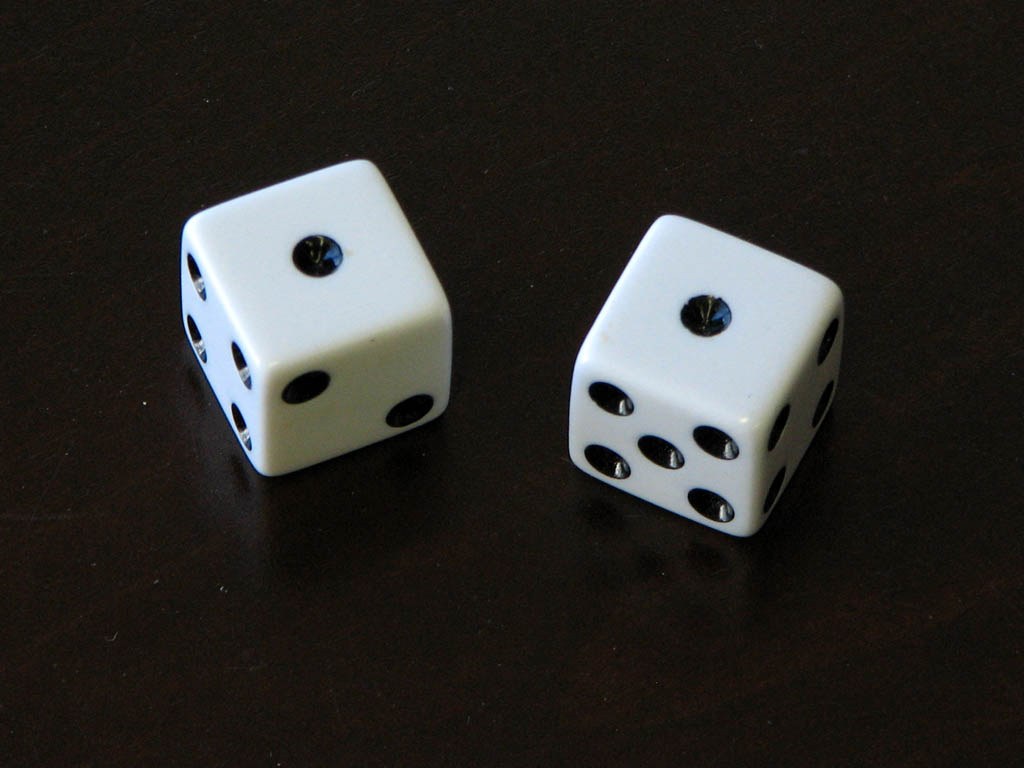
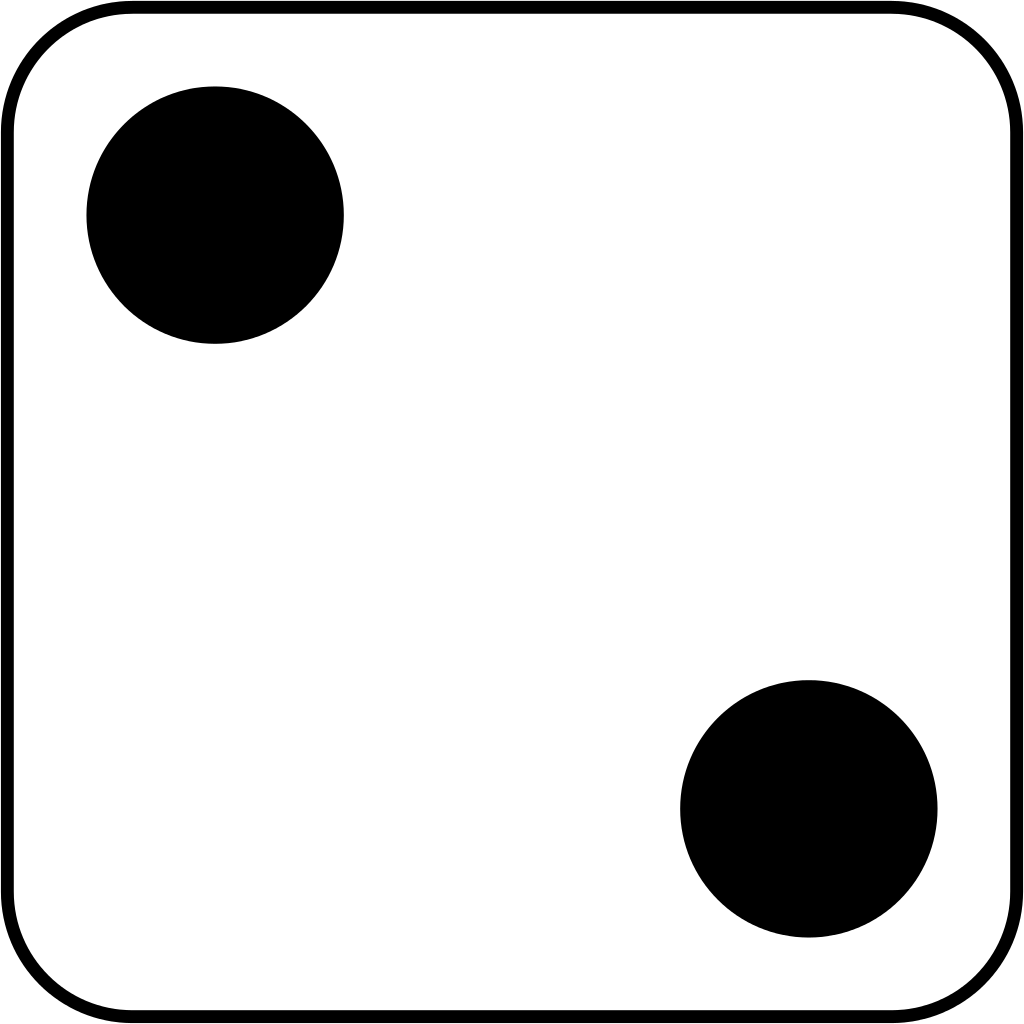
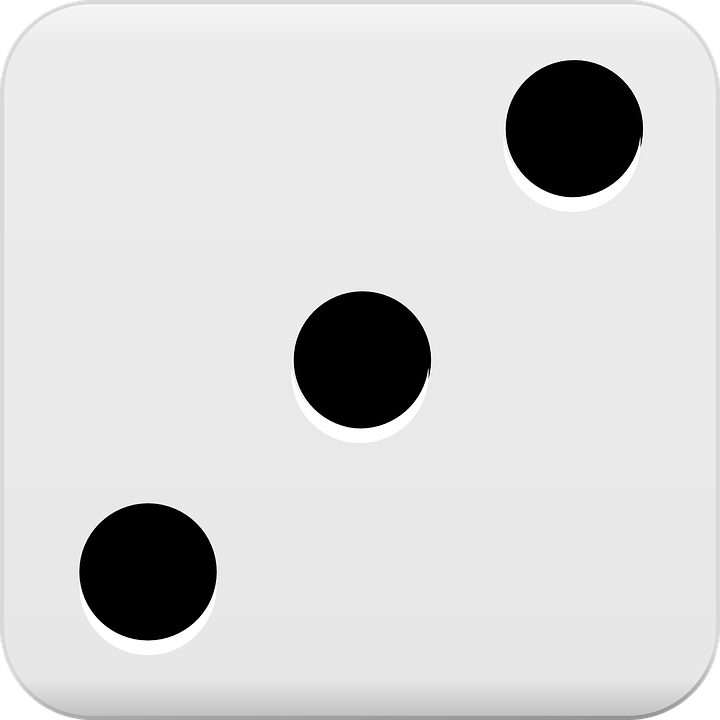
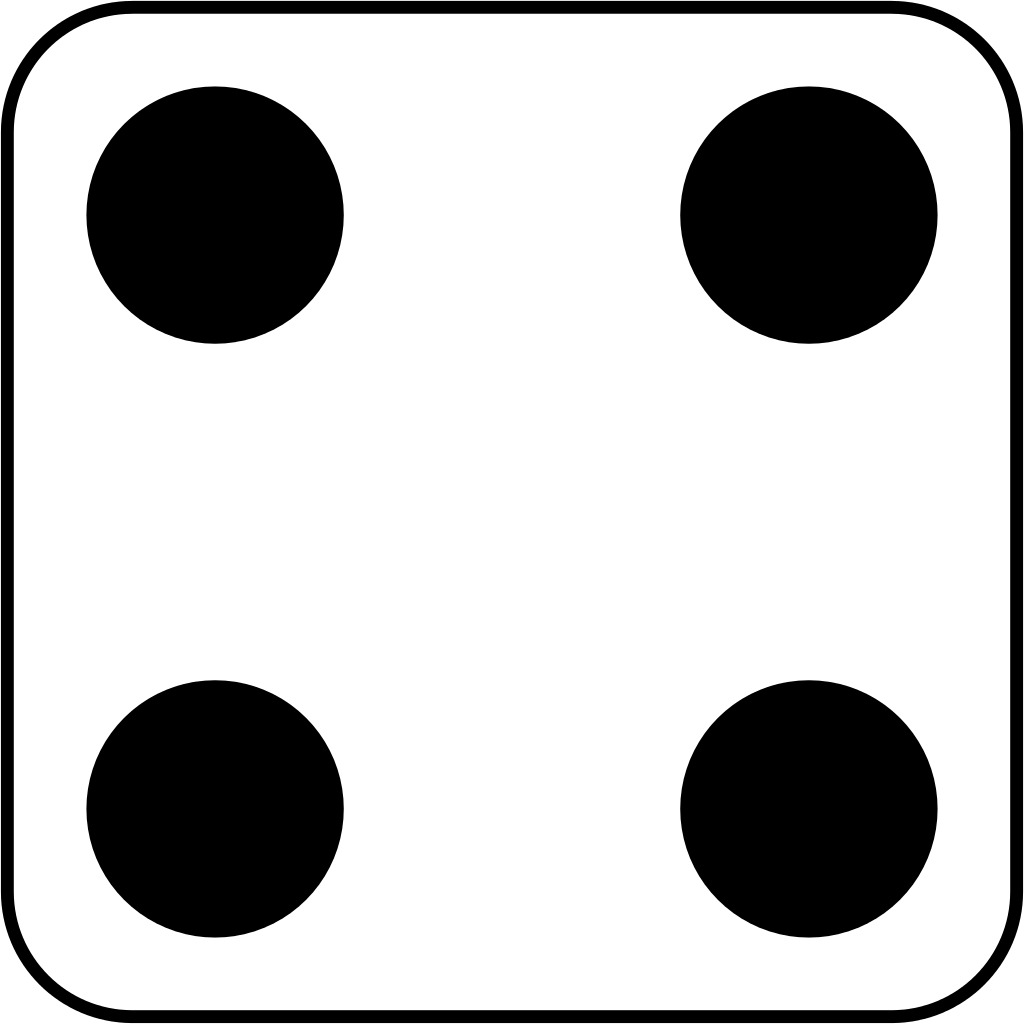
Let’s practise some doubles!
1 + 1 =
File:Snake eyes dice.jpg - Wikimedia Commons
2 + 2 =
File:Dice-2-b.svg - Wikimedia CommonsFile:Dice-2-b.svg - Wikimedia Commons
3 + 3 =
Roll, The, Dice - Free images on PixabayRoll, The, Dice - Free images on Pixabay
4 + 4 =
File:Dice-4-b.svg - Wikimedia CommonsFile:Dice-4-b.svg - Wikimedia Commons
5 + 5 =
Dice - Free illustrations on PixabayDice - Free illustrations on Pixabay

6 + 6 =
7 + 7 =
8 + 8 =
 
9 + 9 =
  
10 + 10 =